Disclaimer:
- This does not represent my employer. Nor is it a rebellion against fiction or non-fiction you are expected to silently read fully for 30 mins in meetings
- If you plan to buy any of the books mentioned here, consider buying them Pre-Owned from Walmart. Links are not affiliate links and I won’t make money if you buy because I cannot legally do that yet. I write because I enjoy giving more than taking
- I write and publish only on Sundays because I’d like to imagine my time is owned only for 6 days of the week
I first published this piece in 2019. I figured my stance has not changed that non-fiction is not meant to be read fully, cover to cover but realized the post needs a facelift.
With only a few days left for new year to begin, we’re all officially in the most honest phase of the year.
Holiday shopping and gifting on the surface. Peak insecurity underneath. This is when people audit themselves in public.
Did enough books get read to justify a LinkedIn post?
Did at least one thought on Agentic AI make it out into the world?
Did the year produce visible evidence of leadership?
So the non-fiction lists arrive. Covers are displayed and seriousness is declared.
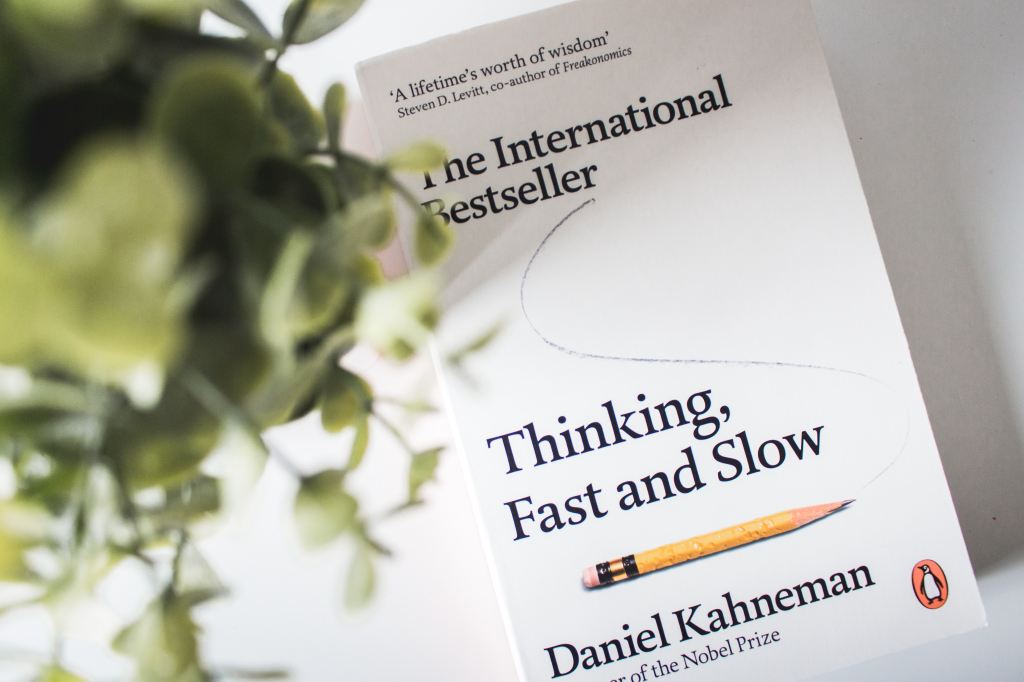
Thinking Fast and Slow is the perfect specimen. Almost every wannabe intellectual I know owns it. Almost no one finishes it. Richard Thaler said “Buy it fast. Read it slowly. It will change the way you think.”
Sensible advice.
Except in practice, nothing changes other than location of the bookmark that rarely goes beyond page 90.
The book becomes what I call an intellectual gym membership. We like to own the idea of becoming smarter. The actual becoming is a separate matter.
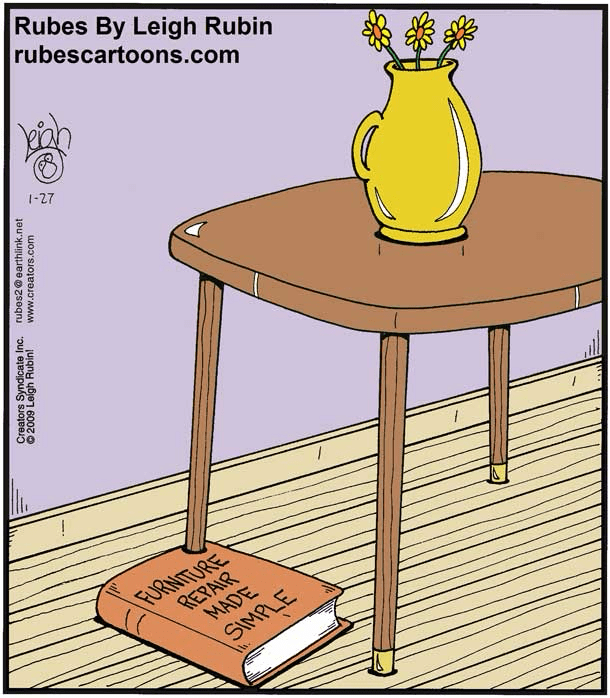
Even if we somehow force ourselves to read to its final page, the problem remains. Hoarding information does nothing to make it usable for every day life situations.
This raises a question: What’s the best way to read non-fiction and apply what it has to offer?
I have thought about this question a lot more than most. Partly because I’m drawn to subjects such as human memory, retrieval, spaced repetition, pattern matching, problem solving etc. and partly because I grew up watching a sibling with Rain man-like savant abilities to recall about everything his eyes touched, an ability so useful he was earning money and filing taxes while still a child.
I eventually concluded that he is an exception, and those genes have not fully passed into me.
For most of my life, fiction was my default choice of reading. Fiction did not require discipline. It pulled me in. Scenes, characters, and feelings lodged themselves in memory and refused to leave.
I had immersed into every popular fiction since a young age except for Game of Thrones.
In university, I followed historical events such as The Indian Emergency period better through Rohinton Mistry’s A Fine Balance more than reading non-fiction material. In fact, reading fiction on this topic nudged me to read non-fiction.
In my first job as a Product Marketer, I delved into non-fiction a lot more intentionally because of my peer circle, reading both short and long form essays and books on startups. All kinds of must-read books were read by 21. The Hard Thing About Hard Things. Zero to One. Hooked. Chaos Monkeys. Lean In and the list goes on. I realized I was getting a hit of dopamine / burst of inspiration reading these books, as though I’d achieved something merely by reading them but everyday practical value, I was not quite sure…
My takeaways on Fiction vs. Non-fiction
Fiction does not merely entertain. It trains memory by first demanding emotion. And once emotion is engaged, memory does not need to be managed. It stays.
Documentaries evoke emotions but most works on non-fiction appeal to emotion only in pieces. It largely appeals to reason with stats, references and hopes the mind will cooperate. Fiction bypasses that negotiation entirely.
As a result, reading and applying non-fiction, I realized early, demanded strategy.
A more honest version of Thaler’s advice would be: “Buy it fast. Read it only when life demands it. That is when it will surely alter your thinking.”
My unfounded hypothesis is the brain does not retain what is good for it. It remembers what is immediately relevant for its survival. This goes against conventional wisdom that non-fiction is preparation for the future. The mind, at least mine, does not work that way. It learns only in the middle of performance and performs only when history repeats.
I’ve been doing something unliterary for a few years now and that actually helped me absorb and apply non-fiction better. I flip through the table of contents and look for chapters that can help me navigate my current situation. If the entire book has nothing to offer in terms of related experience, I skip reading it.
More recently, I directly ask ChatGPT to prescribe me specific chapters or specific books that will help me navigate a situation better.
Managing Oneself appeared during an existential crises, when the choice was between choosing Masters degree in the US from tier-1 universities versus learning-on-the-job in a tier-2 company in an industry I loved. Literally put certain exercises prescribed in the book to practice by asking myself hard questions.
The Valley of Death – a chapter in Only the Paranoid Survive offered perspective when the market through a curveball for a SaaS product whose sole business value relied on availability of third party APIs.
The Drama Triangle – a chapter in Conscious Business most recently helped me get out of a vicious loop that explored how people end up unconsciously role-playing roles they didn’t mean to in the first place.
You cannot understand the Great Recession in the abstract. But receive a bankruptcy notice and every book on the subject suddenly reads like scripture.
When someone is planning to buy a car, mileage and resale value become unforgettable. During a breakup, the same information is not important enough for the brain to keep space for.
You get the drift.
It is actually the mind following its wounds. For most of us, we retain only what helps solve a problem that already exists. Everything else passes through us like theory.
There is also a newer format of non-fiction worth acknowledging. Podcasts. Other people summarizing books for you. This is powerful and dangerous. Outsourcing thinking always is. There are very few voices worth trusting completely. One of them is David Senra. When my internal voice is unhelpful, I borrow perspective from David Senra’s stories of entrepreneurs whose lives were shaped by an unusually high tolerance for pain.
The above recommended approach – being ultra selective about what you want to read for the P0 situations in life will result in fewer chapters read, and possibly fewer books finished. But the ones that matter will stay.
And when the same situations return, disguised as new experiences, they will be recognized.
Here are a few interesting perspectives from a friend and author Hari Ram Narayanan:
 Observation Book
One response to “How to Read Non-Fiction (Or Why Most Serious Books become Intellectual Gym Memberships)”
Often i use the ideas of some genre to other, kind of cross pollination, so one feel the book appropriately to their state of mind. Also when a book is read second it is not the first one, at least to me. Good narration. நெறைய எழுதுங்க… ☺
LikeLiked by 1 person